Platypus Electroreception: 400,000-Grade Electric Signal Receivers in the Beak"

Jun 9, 2025 By

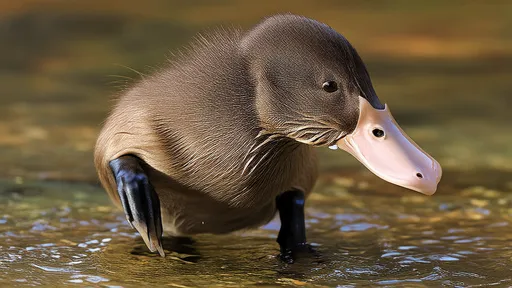
The platypus, one of nature's most enigmatic creatures, continues to baffle and fascinate scientists with its extraordinary sensory capabilities. Among its many peculiar traits, the electroreception system embedded in its bill stands out as a marvel of evolutionary engineering. Recent studies have revealed that the platypus's bill is equipped with an astonishing 400,000 electroreceptors, allowing it to detect minute electrical signals generated by the muscular movements of its prey. This biological superpower transforms the platypus into a highly efficient hunter, navigating the murky waters of its habitat with unparalleled precision.

Unlike most mammals, which rely heavily on vision or smell to locate food, the platypus has evolved to depend on electroreception—a sense more commonly associated with sharks and rays. The dense concentration of electroreceptors in its rubbery bill creates a sensory grid so sensitive that it can detect the faintest electrical impulses from shrimp, insects, and small fish. This adaptation is particularly crucial because the platypus often hunts in dark or turbid environments where visual cues are virtually nonexistent. By closing its eyes, ears, and nostrils underwater, the platypus becomes a living electrical scanner, sweeping its bill from side to side to map out its surroundings.

The mechanics of this system are nothing short of miraculous. Each electroreceptor in the platypus's bill is tuned to respond to specific frequencies of electrical activity, effectively creating a layered and nuanced perception of the underwater world. When prey moves, even slightly, the resulting electrical disturbance is picked up by these receptors and relayed to the brain at lightning speed. Researchers have likened this process to a high-resolution sonar system, but one that operates entirely through bioelectricity. The platypus doesn’t just sense its prey—it visualizes it through electrical fields, constructing a real-time, three-dimensional map of its environment.

What makes this even more remarkable is the sheer density of these receptors. With 400,000 individual sensors packed into a relatively small area, the platypus's bill surpasses even the most advanced man-made detection devices in terms of sensitivity per square millimeter. For context, the electroreceptive organs of sharks, often considered the gold standard for biological electrical sensing, pale in comparison to the platypus's finely tuned apparatus. This raises intriguing questions about how such a complex system evolved in a mammal, given that electroreception is typically associated with much older lineages of aquatic vertebrates.

Scientists speculate that the platypus’s electroreceptive abilities may have developed as a supplement to its other senses, eventually becoming its primary method of hunting. Fossil evidence suggests that early monotremes—the egg-laying mammals to which the platypus belongs—may have had rudimentary electroreceptors, which were then refined over millions of years into the hyper-specialized system seen today. This evolutionary trajectory highlights the platypus’s unique niche in the animal kingdom, straddling the line between reptilian and mammalian traits while carving out its own distinct survival strategy.

Beyond its biological implications, the platypus’s electroreception has inspired technological innovation. Engineers and robotics experts are studying its bill as a model for developing new types of sensors capable of detecting subtle electrical changes in dynamic environments. Potential applications range from underwater exploration drones to medical diagnostic tools that could detect nerve activity with unprecedented precision. The platypus, often dismissed as a quirky relic of evolution, may well hold the key to breakthroughs in fields far removed from biology.

Yet, despite our growing understanding of this remarkable creature, much about the platypus remains shrouded in mystery. How does its brain process such an overwhelming influx of electrical data? Are there undiscovered nuances in how it distinguishes between prey and environmental noise? These questions drive ongoing research, as scientists continue to unravel the secrets of one of nature’s most extraordinary sensory systems. The platypus, with its 400,000 electroreceptors, stands as a testament to the boundless creativity of evolution—and a reminder of how much we still have to learn from the natural world.
Recommend Posts
Nature

Panda's Vegetarian Confusion: The History of Adaptation and Transformation of a Carnivorous Stomach for Bamboo

By /Jun 9, 2025

The giant panda, with its distinctive black-and-white fur and endearing clumsiness, has long been a symbol of conservation efforts worldwide. Yet beneath its cuddly exterior lies a biological paradox that has puzzled scientists for decades: how did this carnivorous-descended creature evolve to survive almost exclusively on bamboo? The panda's digestive system, teeth, and even its pseudo-thumb all tell an evolutionary story of remarkable adaptation—one that challenges our understanding of dietary specialization in mammals.
Nature

Direct Descendant of Dinosaurs: Tyrannosaurus Genes in the Chicken Genome

By /Jun 9, 2025

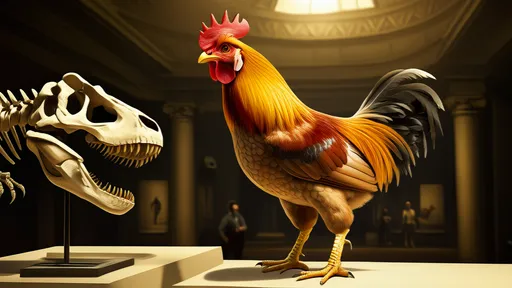
The idea that chickens might carry genetic remnants of their fearsome ancestors, the mighty Tyrannosaurus rex, sounds like something straight out of a science fiction novel. Yet, modern genetic research suggests there may be more truth to this notion than we ever imagined. The evolutionary link between birds and dinosaurs has been well-established, but the discovery of potential T. rex genes lurking in the humble chicken genome has sent shockwaves through the scientific community.
Nature

Whale Land Past: 50 Million-Year-Old Hoof Fossil Evidence

By /Jun 9, 2025

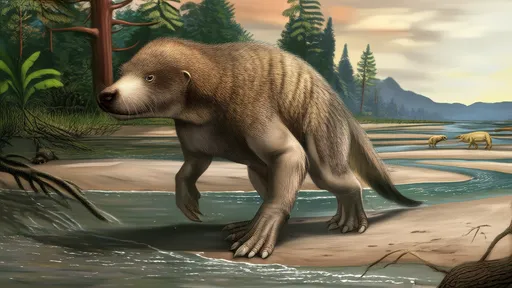
In a groundbreaking discovery that challenges long-held assumptions about whale evolution, paleontologists have unearthed fossilized remains of ancient whale ancestors with hoof-like feet in a remote desert region. These remarkably preserved specimens, dating back approximately 50 million years, provide the most compelling evidence yet that modern cetaceans descended from four-legged, land-dwelling mammals that walked on hooves before adapting to aquatic life.
Nature

Elephant Ancestor Atlas: From 60cm Tall Ancestor Elephants to Modern Giants

By /Jun 9, 2025

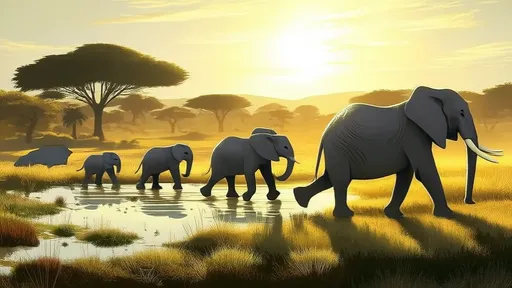
The story of elephant evolution reads like a epic saga written by nature herself, spanning tens of millions of years and featuring creatures as small as dogs growing into the largest land animals alive today. Few evolutionary journeys capture the imagination quite like the transformation from modest swamp-dwellers to the majestic megaherbivores that now roam African savannas and Asian forests.
Nature

The Enigma of Canine Domestication: How Did Gray Wolves Transform into 300 Breeds of Pet Dogs?

By /Jun 9, 2025

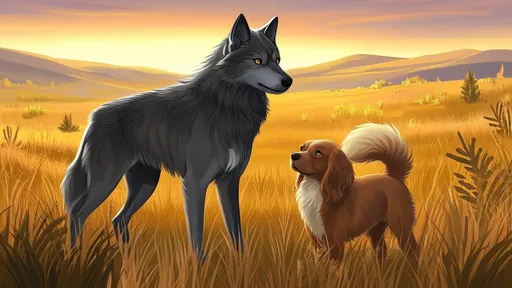
The transformation of the fierce and independent gray wolf into the lovable, diverse breeds of domestic dogs we know today remains one of the most fascinating mysteries in evolutionary biology. How did a single species diverge into over 300 distinct breeds, each with unique physical and behavioral traits? The answer lies in thousands of years of coevolution between humans and canines, shaped by both natural and artificial selection.
Nature

Feline Evolutionary Tree: The Dietary Revolution from Sabertooths to Domestic Cats

By /Jun 9, 2025

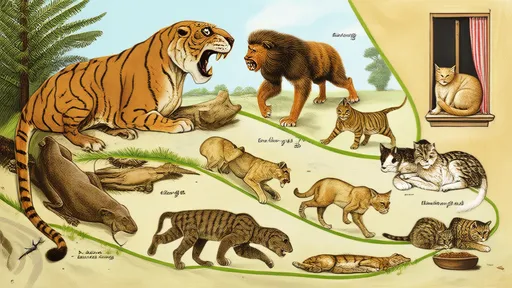
The evolutionary journey of felids, from the formidable saber-toothed cats to the domesticated house cats, represents one of nature's most fascinating dietary adaptations. Over millions of years, these predators have undergone significant changes in their hunting strategies, prey preferences, and physiological traits, all driven by the relentless pressures of survival and environmental shifts. The story of their dietary revolution is not just about what they ate but how their entire biology transformed to meet the demands of a changing world.
Nature

Spider Silk Strength: Bio-Steel 5 Times Stronger Than Steel Wire

By /Jun 9, 2025

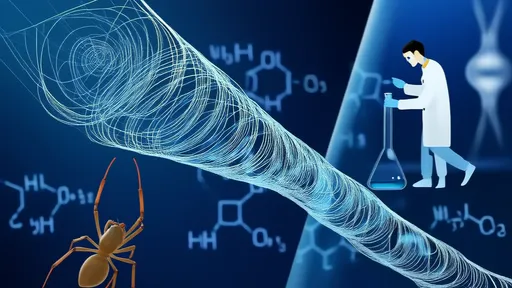
The natural world has long been a source of inspiration for scientists and engineers, but few materials have captured the imagination quite like spider silk. Known for its extraordinary strength and elasticity, spider silk has been studied for decades in the hope of replicating its properties for human use. Recent breakthroughs in biotechnology have brought us closer than ever to harnessing this wonder material, with synthetic versions now rivaling the tensile strength of high-grade steel while remaining five times tougher. This revolutionary material, often referred to as "bioderived steel" or simply "biosteel," promises to transform industries from medicine to aerospace.
Nature

Deep-Sea Siphonophores: 50-Meter-Long Super Organismic Associations

By /Jun 9, 2025

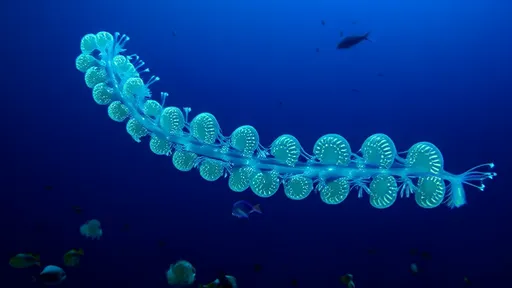
In the vast, uncharted depths of the ocean, where sunlight barely penetrates, a creature of extraordinary complexity drifts silently through the darkness. The deep-sea siphonophore, a colonial organism that can stretch up to 50 meters in length, challenges our very understanding of what constitutes an individual life form. This ethereal yet formidable predator represents one of nature’s most astonishing examples of biological collaboration—a single organism composed of thousands of specialized, interconnected parts.
Nature

Platypus Electroreception: 400,000-Grade Electric Signal Receivers in the Beak"

By /Jun 9, 2025

The platypus, one of nature's most enigmatic creatures, continues to baffle and fascinate scientists with its extraordinary sensory capabilities. Among its many peculiar traits, the electroreception system embedded in its bill stands out as a marvel of evolutionary engineering. Recent studies have revealed that the platypus's bill is equipped with an astonishing 400,000 electroreceptors, allowing it to detect minute electrical signals generated by the muscular movements of its prey. This biological superpower transforms the platypus into a highly efficient hunter, navigating the murky waters of its habitat with unparalleled precision.
Nature

Pangolin Scales: Self-Healing Kevlar Fiber

By /Jun 9, 2025

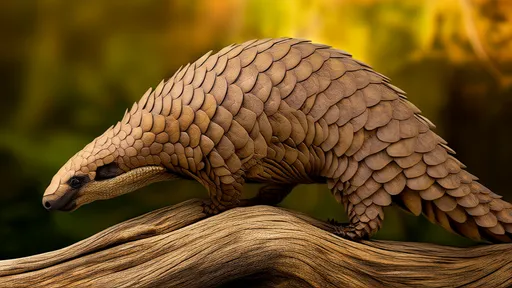
The natural world has long been a source of inspiration for human innovation, and the humble pangolin is no exception. This scaly mammal, often mistaken for a reptile due to its armored exterior, possesses a unique trait that has captured the attention of material scientists: self-healing keratin scales. These overlapping plates, which shield the pangolin from predators, are now serving as a blueprint for the next generation of high-performance fibers, including a revolutionary self-repairing Kevlar variant.
Nature

Migratory Bird Navigation System: Quantum Entanglement Compass in the Eye

By /Jun 9, 2025

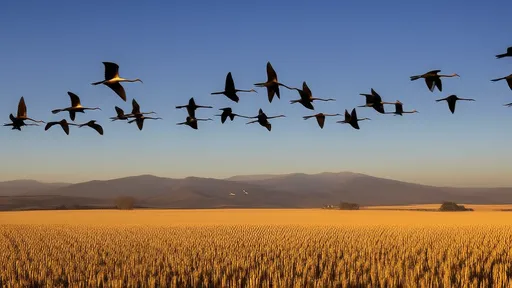
Every year, millions of migratory birds undertake journeys spanning thousands of miles, traversing continents with pinpoint accuracy. For decades, scientists have marveled at their uncanny ability to navigate using Earth’s magnetic fields. But recent breakthroughs suggest something even more extraordinary: these avian travelers might be tapping into the spooky world of quantum mechanics.
Nature

Cuttlefish Skin Intelligence: Neural Networks Sensing Both Light and Touch

By /Jun 9, 2025

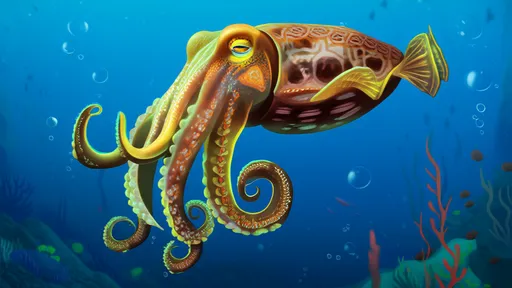
The natural world has long been a source of inspiration for scientific breakthroughs, and the cephalopod family—particularly the squid and cuttlefish—has fascinated researchers with its extraordinary ability to change color and texture in response to environmental stimuli. Recent studies have uncovered an even more remarkable aspect of their biology: a neural network embedded in their skin that simultaneously processes light and tactile information. This discovery has profound implications for the development of next-generation adaptive materials and bio-inspired robotics.
Nature

Tardigrade Resurrection: Extreme Survival through Dehydration Hibernation

By /Jun 9, 2025

In the hidden corners of our planet, where most life forms would perish within seconds, a microscopic creature defies all known biological limits. The tardigrade, affectionately nicknamed the "water bear," has mastered the art of cheating death through an extraordinary process called cryptobiosis. This eight-legged extremophile can survive conditions that would instantly kill other organisms – from the vacuum of space to boiling hydrothermal vents. But perhaps its most astonishing trick is the ability to dehydrate itself into a lifeless husk and then resurrect years later when water becomes available.
Nature

The Secret of Bats' Immune System: Carrying Viruses Without Getting Sick

By /Jun 9, 2025

For decades, bats have fascinated scientists with their unique ability to harbor deadly viruses without succumbing to illness. While creatures like humans or other mammals might suffer severe consequences from pathogens such as Ebola, SARS-CoV-2, or Nipah virus, bats remain remarkably resilient. Their immune systems operate in ways that defy conventional understanding, offering potential insights into antiviral therapies and disease prevention for humans.
Nature

Mantis Shrimp's Punch: Acceleration Rivals Bullet Speed

By /Jun 9, 2025

The ocean holds some of nature's most extraordinary predators, but few are as mesmerizing—or as violently efficient—as the mantis shrimp. Known for their otherworldly colors and complex eyes, these marine crustaceans possess a weapon that defies belief: a pair of spring-loaded appendages capable of accelerating faster than a bullet. The mechanics behind their strikes have captivated scientists, engineers, and even military researchers, offering insights into biomechanics that border on science fiction.
Nature

Naked Mole-Rats Survive Hypoxia: Plant-Like Metabolism in Mammals

By /Jun 9, 2025

The naked mole-rat, a peculiar subterranean rodent native to East Africa, has long fascinated scientists with its extraordinary biological adaptations. Among its most remarkable traits is the ability to survive in low-oxygen environments, a feat that challenges our understanding of mammalian physiology. Recent research has unveiled an even more astonishing discovery: these creatures can switch to a plant-like metabolic state when oxygen is scarce, a survival mechanism previously unseen in mammals.