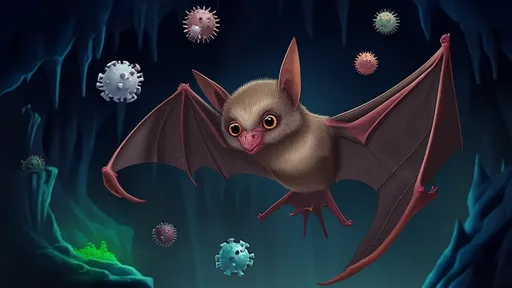
For decades, bats have fascinated scientists with their unique ability to harbor deadly viruses without succumbing to illness. While creatures like humans or other mammals might suffer severe consequences from pathogens such as Ebola, SARS-CoV-2, or Nipah virus, bats remain remarkably resilient. Their immune systems operate in ways that defy conventional understanding, offering potential insights into antiviral therapies and disease prevention for humans.
The Evolutionary Edge of Bat Immunity
Bats have coexisted with viruses for over 60 million years, far longer than most mammals. This prolonged exposure has shaped their immune systems into highly efficient defense mechanisms. Unlike humans, whose immune responses often trigger harmful inflammation when fighting infections, bats maintain a delicate balance—effectively suppressing viruses while avoiding self-destructive immune overreactions. Researchers believe this evolutionary adaptation allows them to function as near-perfect viral hosts.
One key factor lies in their ability to limit excessive inflammation. In humans, cytokines—proteins that regulate immune responses—can sometimes spiral out of control, leading to fatal conditions like cytokine storms. Bats, however, possess modified versions of these proteins, along with dampened inflammatory pathways. This means their bodies neutralize threats without the collateral damage seen in other species.
Flight: The Unexpected Immune Booster
Bats are the only mammals capable of sustained flight, an energy-intensive activity that generates significant metabolic stress. To cope, they’ve developed heightened DNA repair mechanisms and reduced oxidative stress, both of which inadvertently strengthen their antiviral defenses. The same biological adaptations that allow bats to endure the rigors of flight may also help them mitigate cellular damage caused by viral infections.
Additionally, the physical demands of flight elevate bat body temperatures to fever-like levels during activity. This regular "exercise-induced fever" could function similarly to intermittent antiviral therapy, creating an environment where viruses struggle to replicate efficiently. While humans experience fever as an acute response to infection, bats might benefit from this state as a natural byproduct of their lifestyle.
Silent Viral Reservoirs and Public Health Implications
Bats serve as natural reservoirs for numerous zoonotic viruses, meaning they can carry and transmit pathogens without showing symptoms. This trait makes them critical players in disease ecology but also poses risks for spillover events—when viruses jump from bats to other animals or humans. Deforestation, urbanization, and wildlife trade increase contact between bats and human populations, raising the likelihood of outbreaks.
Understanding how bats tolerate these viruses could revolutionize human medicine. For instance, studying bat interferon pathways—a cornerstone of their antiviral defenses—might lead to breakthroughs in treating inflammatory diseases or designing broad-spectrum antivirals. Some scientists are even exploring whether bat-derived immune strategies could help combat aging, given their exceptional longevity relative to their size.
Ethical Considerations and Future Research
While bats offer invaluable insights, researchers caution against oversimplifying their biology. Lab studies often face limitations, as captive bats may not replicate wild conditions where immune responses are finely tuned by environmental factors. Conservation efforts are equally crucial, as habitat destruction not only threatens bat populations but also disrupts ecosystems that keep viral transmission in check.
Moving forward, interdisciplinary collaboration will be essential. Virologists, immunologists, and ecologists must work together to unravel the complexities of bat immunity while addressing the ethical and practical challenges of this research. The secrets hidden within bat DNA could one day redefine humanity’s approach to pandemics—but only if we respect these creatures as more than just viral vectors.

By /Jun 9, 2025

By /Jun 9, 2025

By /Jun 9, 2025

By /Jun 9, 2025

By /Jun 9, 2025
By /Jun 9, 2025

By /Jun 9, 2025

By /Jun 9, 2025

By /Jun 9, 2025

By /Jun 9, 2025
By /Jun 9, 2025

By /Jun 9, 2025

By /Jun 9, 2025
By /Jun 9, 2025

By /Jun 9, 2025
By /Jun 9, 2025
