Tardigrade Resurrection: Extreme Survival through Dehydration Hibernation

Jun 9, 2025 By

In the hidden corners of our planet, where most life forms would perish within seconds, a microscopic creature defies all known biological limits. The tardigrade, affectionately nicknamed the "water bear," has mastered the art of cheating death through an extraordinary process called cryptobiosis. This eight-legged extremophile can survive conditions that would instantly kill other organisms – from the vacuum of space to boiling hydrothermal vents. But perhaps its most astonishing trick is the ability to dehydrate itself into a lifeless husk and then resurrect years later when water becomes available.

The mechanics behind tardigrade cryptobiosis read like science fiction. When environmental conditions turn hostile, these creatures enter a state of suspended animation by expelling nearly all water from their bodies and retracting their limbs into a barrel-shaped "tun." Their metabolism drops to an undetectable 0.01% of normal activity, and they produce special proteins that vitrify their cells into glass-like structures. This biological pause button allows them to withstand temperatures from -272°C to 150°C, pressures six times greater than the deepest ocean trenches, and radiation doses that would give a human instant radiation sickness.

Scientists have discovered that tardigrades achieve this miraculous dehydration survival through multiple overlapping biological strategies. Their cells are packed with unique disordered proteins called tardigrade-specific intrinsically disordered proteins (TDPs) that form molecular shields during desiccation. These replace the water molecules that normally surround and protect cellular structures, preventing catastrophic collapse. Additionally, they produce trehalose sugar and antioxidants that stabilize cell membranes and neutralize reactive oxygen species generated during rehydration.

The implications of understanding tardigrade resurrection biology are profound. Research teams are currently attempting to isolate and adapt these protective mechanisms for human applications. Imagine vaccines that remain stable without refrigeration, organs preserved for years before transplantation, or astronauts protected from cosmic radiation by tardigrade-inspired compounds. Several biotech startups have already filed patents for tardigrade-derived stabilization technologies, with military agencies particularly interested in creating field-deployable biological materials.

Recent breakthroughs have revealed even more bizarre aspects of tardigrade survival. In 2016, Japanese researchers successfully revived tardigrades that had been frozen for 30 years, with some specimens even reproducing after their three-decade slumber. Even more remarkably, when scientists exposed desiccated tardigrades to the vacuum of space aboard the European Space Agency's FOTON-M3 mission, not only did they survive the extreme dehydration and cosmic radiation, but their DNA showed remarkable repair capabilities upon rehydration.

This extraordinary resilience raises philosophical questions about the nature of life itself. At what point does a dehydrated tardigrade stop being "alive"? The creature shows no measurable metabolic activity, yet maintains the potential for future animation – challenging our fundamental definitions of life and death. Some astrobiologists speculate that similar cryptobiotic organisms might exist elsewhere in the universe, possibly even surviving interstellar travel on meteorites.

As climate change accelerates and humanity looks toward interplanetary colonization, the humble tardigrade offers both hope and mystery. Its biological blueprints for extreme survival could prove invaluable for preserving endangered species, creating drought-resistant crops, or enabling long-term space missions. Yet despite decades of study, scientists still haven't unlocked all the secrets behind this microscopic Lazarus. Each new discovery reveals additional layers of complexity in what may be Earth's most indestructible life form.

The water bear's resurrection trick represents one of evolution's most perfect adaptations – a biological contingency plan for environmental catastrophe. While humans build bunkers and seed vaults to survive disasters, tardigrades simply dry up and wait for better days. In their glass-like suspended animation, they carry the promise that life, once established, finds astonishing ways to persist against all odds.
Recommend Posts
Nature

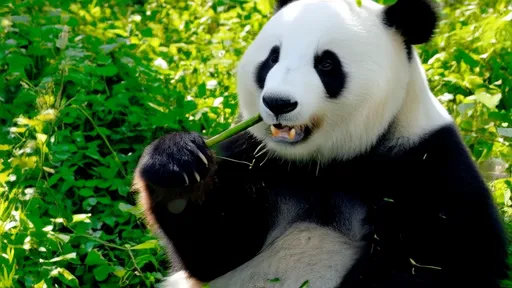
Panda's Vegetarian Confusion: The History of Adaptation and Transformation of a Carnivorous Stomach for Bamboo

By /Jun 9, 2025

The giant panda, with its distinctive black-and-white fur and endearing clumsiness, has long been a symbol of conservation efforts worldwide. Yet beneath its cuddly exterior lies a biological paradox that has puzzled scientists for decades: how did this carnivorous-descended creature evolve to survive almost exclusively on bamboo? The panda's digestive system, teeth, and even its pseudo-thumb all tell an evolutionary story of remarkable adaptation—one that challenges our understanding of dietary specialization in mammals.
Nature

Direct Descendant of Dinosaurs: Tyrannosaurus Genes in the Chicken Genome

By /Jun 9, 2025

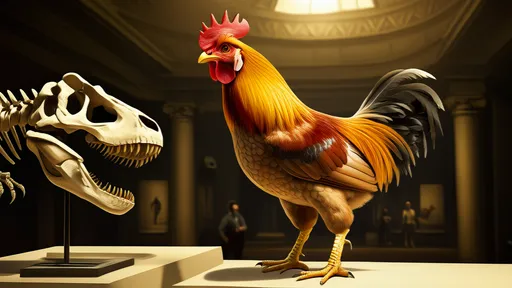
The idea that chickens might carry genetic remnants of their fearsome ancestors, the mighty Tyrannosaurus rex, sounds like something straight out of a science fiction novel. Yet, modern genetic research suggests there may be more truth to this notion than we ever imagined. The evolutionary link between birds and dinosaurs has been well-established, but the discovery of potential T. rex genes lurking in the humble chicken genome has sent shockwaves through the scientific community.
Nature

Whale Land Past: 50 Million-Year-Old Hoof Fossil Evidence

By /Jun 9, 2025

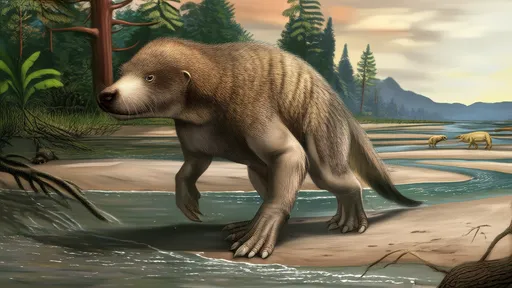
In a groundbreaking discovery that challenges long-held assumptions about whale evolution, paleontologists have unearthed fossilized remains of ancient whale ancestors with hoof-like feet in a remote desert region. These remarkably preserved specimens, dating back approximately 50 million years, provide the most compelling evidence yet that modern cetaceans descended from four-legged, land-dwelling mammals that walked on hooves before adapting to aquatic life.
Nature

Elephant Ancestor Atlas: From 60cm Tall Ancestor Elephants to Modern Giants

By /Jun 9, 2025

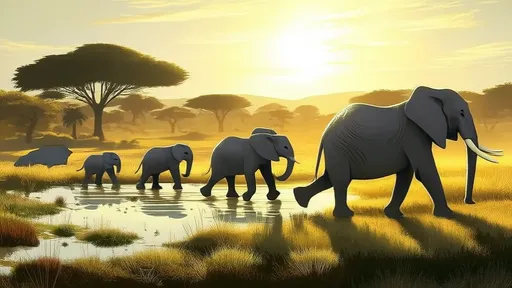
The story of elephant evolution reads like a epic saga written by nature herself, spanning tens of millions of years and featuring creatures as small as dogs growing into the largest land animals alive today. Few evolutionary journeys capture the imagination quite like the transformation from modest swamp-dwellers to the majestic megaherbivores that now roam African savannas and Asian forests.
Nature

The Enigma of Canine Domestication: How Did Gray Wolves Transform into 300 Breeds of Pet Dogs?

By /Jun 9, 2025

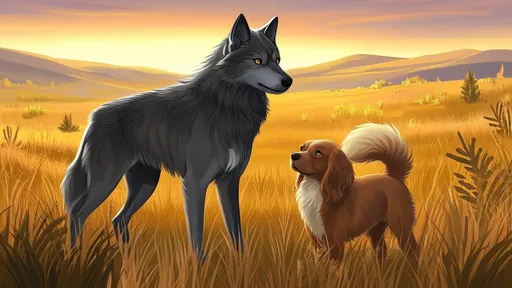
The transformation of the fierce and independent gray wolf into the lovable, diverse breeds of domestic dogs we know today remains one of the most fascinating mysteries in evolutionary biology. How did a single species diverge into over 300 distinct breeds, each with unique physical and behavioral traits? The answer lies in thousands of years of coevolution between humans and canines, shaped by both natural and artificial selection.
Nature

Feline Evolutionary Tree: The Dietary Revolution from Sabertooths to Domestic Cats

By /Jun 9, 2025

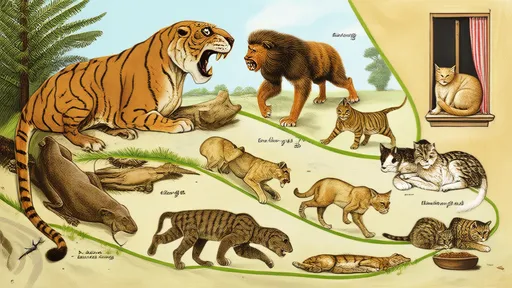
The evolutionary journey of felids, from the formidable saber-toothed cats to the domesticated house cats, represents one of nature's most fascinating dietary adaptations. Over millions of years, these predators have undergone significant changes in their hunting strategies, prey preferences, and physiological traits, all driven by the relentless pressures of survival and environmental shifts. The story of their dietary revolution is not just about what they ate but how their entire biology transformed to meet the demands of a changing world.
Nature

Spider Silk Strength: Bio-Steel 5 Times Stronger Than Steel Wire

By /Jun 9, 2025

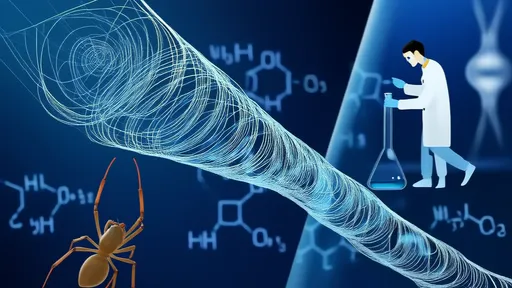
The natural world has long been a source of inspiration for scientists and engineers, but few materials have captured the imagination quite like spider silk. Known for its extraordinary strength and elasticity, spider silk has been studied for decades in the hope of replicating its properties for human use. Recent breakthroughs in biotechnology have brought us closer than ever to harnessing this wonder material, with synthetic versions now rivaling the tensile strength of high-grade steel while remaining five times tougher. This revolutionary material, often referred to as "bioderived steel" or simply "biosteel," promises to transform industries from medicine to aerospace.
Nature

Deep-Sea Siphonophores: 50-Meter-Long Super Organismic Associations

By /Jun 9, 2025

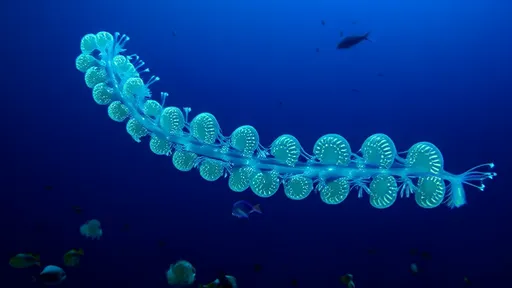
In the vast, uncharted depths of the ocean, where sunlight barely penetrates, a creature of extraordinary complexity drifts silently through the darkness. The deep-sea siphonophore, a colonial organism that can stretch up to 50 meters in length, challenges our very understanding of what constitutes an individual life form. This ethereal yet formidable predator represents one of nature’s most astonishing examples of biological collaboration—a single organism composed of thousands of specialized, interconnected parts.
Nature

Platypus Electroreception: 400,000-Grade Electric Signal Receivers in the Beak"

By /Jun 9, 2025

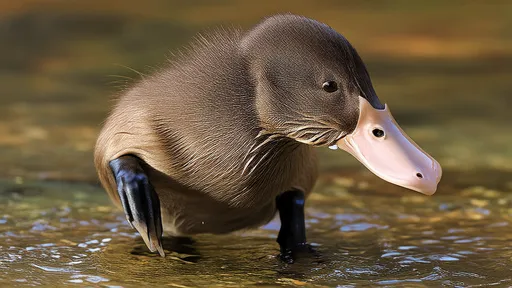
The platypus, one of nature's most enigmatic creatures, continues to baffle and fascinate scientists with its extraordinary sensory capabilities. Among its many peculiar traits, the electroreception system embedded in its bill stands out as a marvel of evolutionary engineering. Recent studies have revealed that the platypus's bill is equipped with an astonishing 400,000 electroreceptors, allowing it to detect minute electrical signals generated by the muscular movements of its prey. This biological superpower transforms the platypus into a highly efficient hunter, navigating the murky waters of its habitat with unparalleled precision.
Nature

Pangolin Scales: Self-Healing Kevlar Fiber

By /Jun 9, 2025

The natural world has long been a source of inspiration for human innovation, and the humble pangolin is no exception. This scaly mammal, often mistaken for a reptile due to its armored exterior, possesses a unique trait that has captured the attention of material scientists: self-healing keratin scales. These overlapping plates, which shield the pangolin from predators, are now serving as a blueprint for the next generation of high-performance fibers, including a revolutionary self-repairing Kevlar variant.
Nature

Migratory Bird Navigation System: Quantum Entanglement Compass in the Eye

By /Jun 9, 2025

Every year, millions of migratory birds undertake journeys spanning thousands of miles, traversing continents with pinpoint accuracy. For decades, scientists have marveled at their uncanny ability to navigate using Earth’s magnetic fields. But recent breakthroughs suggest something even more extraordinary: these avian travelers might be tapping into the spooky world of quantum mechanics.
Nature

Cuttlefish Skin Intelligence: Neural Networks Sensing Both Light and Touch

By /Jun 9, 2025

The natural world has long been a source of inspiration for scientific breakthroughs, and the cephalopod family—particularly the squid and cuttlefish—has fascinated researchers with its extraordinary ability to change color and texture in response to environmental stimuli. Recent studies have uncovered an even more remarkable aspect of their biology: a neural network embedded in their skin that simultaneously processes light and tactile information. This discovery has profound implications for the development of next-generation adaptive materials and bio-inspired robotics.
Nature

Tardigrade Resurrection: Extreme Survival through Dehydration Hibernation

By /Jun 9, 2025

In the hidden corners of our planet, where most life forms would perish within seconds, a microscopic creature defies all known biological limits. The tardigrade, affectionately nicknamed the "water bear," has mastered the art of cheating death through an extraordinary process called cryptobiosis. This eight-legged extremophile can survive conditions that would instantly kill other organisms – from the vacuum of space to boiling hydrothermal vents. But perhaps its most astonishing trick is the ability to dehydrate itself into a lifeless husk and then resurrect years later when water becomes available.
Nature

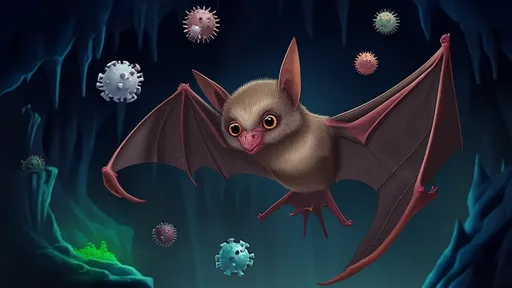
The Secret of Bats' Immune System: Carrying Viruses Without Getting Sick

By /Jun 9, 2025

For decades, bats have fascinated scientists with their unique ability to harbor deadly viruses without succumbing to illness. While creatures like humans or other mammals might suffer severe consequences from pathogens such as Ebola, SARS-CoV-2, or Nipah virus, bats remain remarkably resilient. Their immune systems operate in ways that defy conventional understanding, offering potential insights into antiviral therapies and disease prevention for humans.
Nature

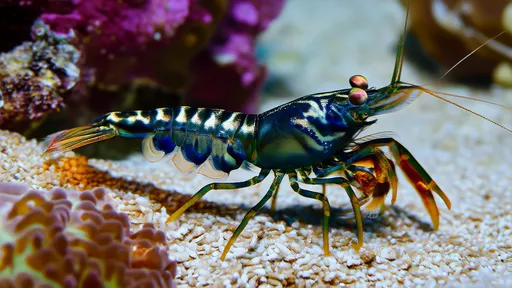
Mantis Shrimp's Punch: Acceleration Rivals Bullet Speed

By /Jun 9, 2025

The ocean holds some of nature's most extraordinary predators, but few are as mesmerizing—or as violently efficient—as the mantis shrimp. Known for their otherworldly colors and complex eyes, these marine crustaceans possess a weapon that defies belief: a pair of spring-loaded appendages capable of accelerating faster than a bullet. The mechanics behind their strikes have captivated scientists, engineers, and even military researchers, offering insights into biomechanics that border on science fiction.
Nature

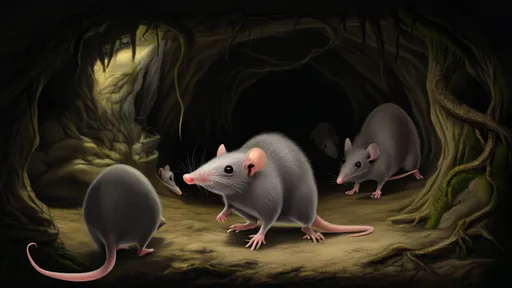
Naked Mole-Rats Survive Hypoxia: Plant-Like Metabolism in Mammals

By /Jun 9, 2025

The naked mole-rat, a peculiar subterranean rodent native to East Africa, has long fascinated scientists with its extraordinary biological adaptations. Among its most remarkable traits is the ability to survive in low-oxygen environments, a feat that challenges our understanding of mammalian physiology. Recent research has unveiled an even more astonishing discovery: these creatures can switch to a plant-like metabolic state when oxygen is scarce, a survival mechanism previously unseen in mammals.