The growing field of epigenetics is revolutionizing our understanding of weight management. Unlike traditional approaches that focus on calorie restriction or intense exercise regimens, epigenetic research suggests that we may be able to influence metabolic processes without changing our underlying genetic code. This emerging science reveals how environmental factors and lifestyle choices can modify gene expression, potentially offering new avenues for sustainable weight loss.
The Epigenetic Landscape of Metabolism
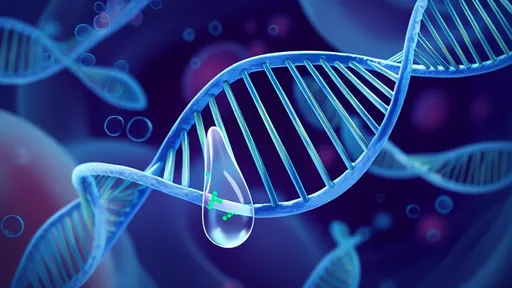
Our DNA contains thousands of genes related to metabolism, fat storage, and appetite regulation. However, whether these genes are active or silent depends largely on epigenetic markers - chemical tags that attach to our DNA and histone proteins. These markers don't alter the genetic sequence itself but determine how cells read genetic instructions. Research shows that obese individuals often exhibit distinct epigenetic patterns compared to their lean counterparts, particularly in genes involved in energy metabolism and fat cell development.
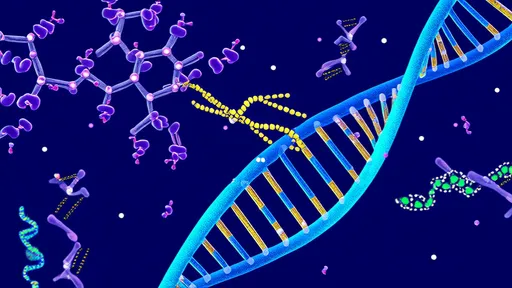
Scientists have identified several types of epigenetic modifications that influence body weight. DNA methylation, the addition of methyl groups to DNA molecules, can suppress metabolic genes. Histone modifications, which change how DNA is packaged, can make certain genes more or less accessible. Even small non-coding RNA molecules can regulate gene expression post-transcriptionally. Together, these mechanisms create a complex regulatory system that responds to environmental cues while maintaining genetic stability.
Environmental Triggers of Epigenetic Change
Dietary patterns leave profound epigenetic imprints on our metabolic genes. Studies demonstrate that high-fat diets can induce methylation changes in genes controlling insulin sensitivity and lipid metabolism. Interestingly, these changes sometimes persist even after returning to normal eating patterns, potentially explaining why weight regain is common after dieting. Conversely, certain nutrients like folate, vitamin B12, and polyphenols from plant foods serve as methyl donors that support healthy epigenetic regulation.
Physical activity represents another powerful epigenetic modulator. Exercise induces immediate changes in DNA methylation patterns within muscle tissue, enhancing metabolic efficiency. Remarkably, these effects can be detected after just a single workout session, though regular training establishes more stable epigenetic modifications. Even the timing of meals and exercise appears to influence circadian epigenetic rhythms that govern metabolic processes throughout the day.
Chronic stress and poor sleep quality also contribute to unfavorable epigenetic alterations. Elevated cortisol levels from prolonged stress can methylate genes involved in fat storage and appetite control. Similarly, sleep deprivation affects epigenetic regulators of hunger hormones like leptin and ghrelin. These findings highlight how modern lifestyle factors may be programming our metabolism at the epigenetic level, often in ways that promote weight gain.
Intergenerational Epigenetic Inheritance
Perhaps most startling is evidence that obesity-related epigenetic changes can be transmitted across generations. Animal studies show that parental diet and metabolic health can influence the epigenome of offspring, predisposing them to similar metabolic tendencies. Human epidemiological research supports this phenomenon, revealing that grandchildren of people who experienced famine display distinct epigenetic markers affecting their metabolism today.
This transgenerational epigenetic inheritance suggests that our current obesity epidemic may have roots in the dietary habits and environmental exposures of previous generations. However, the plasticity of the epigenome also offers hope - positive lifestyle changes today could potentially benefit not just ourselves but also our descendants by establishing healthier epigenetic patterns.
Potential Therapeutic Applications
Several promising approaches are being explored to harness epigenetics for weight management. Nutritional epigenetics focuses on designing diets rich in compounds that favorably influence DNA methylation and histone modifications. These include sulforaphane from cruciferous vegetables, resveratrol from grapes, and epigallocatechin gallate (EGCG) from green tea.
Exercise epigenetics research aims to identify optimal physical activity patterns for metabolic gene regulation. High-intensity interval training appears particularly effective at inducing beneficial epigenetic changes in fat tissue. Some researchers are investigating whether specific exercise timing relative to meals could enhance these effects.
Pharmaceutical companies are developing epigenetic drugs that target metabolic pathways. While most current epigenetic medications treat cancer, several candidates show potential for obesity by modifying fat cell development or appetite regulation. However, concerns remain about the precision of such systemic interventions compared to natural lifestyle modifications.
Challenges and Future Directions
Despite exciting progress, significant challenges remain in applying epigenetic knowledge to weight loss. Individual epigenetic variability makes universal recommendations difficult. What benefits one person metabolically might have little effect on another due to differences in baseline epigenome. Personalized epigenetic testing may eventually help tailor interventions, but current methods remain expensive and imperfect.
Another limitation is our incomplete understanding of epigenetic stability. While some modifications appear long-lasting, others are dynamic and reversible. This raises questions about how to maintain beneficial epigenetic changes over time. Combining multiple approaches - diet, exercise, stress management - likely offers the most robust epigenetic benefits.
Future research will need to clarify which epigenetic modifications consistently correlate with leanness versus obesity across diverse populations. Large longitudinal studies tracking epigenetic changes during weight loss and maintenance could identify key markers of metabolic health. Additionally, more human trials are needed to confirm findings from animal and cell studies.
A New Paradigm for Weight Management
The epigenetic perspective fundamentally changes how we view weight regulation. Rather than seeing metabolism as fixed by genetics or endlessly battling hunger through willpower, we're beginning to understand how modifiable factors shape our metabolic tendencies at the molecular level. This approach emphasizes creating an epigenetic environment favorable for leanness rather than fighting against our biology.
Practical applications might include epigenetic-aware dietary guidelines, exercise prescriptions optimized for gene regulation, and stress-reduction techniques that support metabolic health. Some clinicians already incorporate basic epigenetic principles by recommending methyl donor-rich foods for patients with family histories of obesity or metabolic disorders.
While epigenetic science continues to evolve, current evidence suggests we have more influence over our metabolic destiny than previously believed - not by changing our genes, but by changing how they're expressed. This nuanced understanding may finally help shift the focus from short-term weight loss to lasting metabolic health.

By /Jul 3, 2025

By /Jul 3, 2025

By /Jul 3, 2025

By /Jul 3, 2025

By /Jul 3, 2025

By /Jul 3, 2025

By /Jul 3, 2025
By /Jul 3, 2025

By /Jul 3, 2025

By /Jul 3, 2025
By /Jul 3, 2025

By /Jul 3, 2025
By /Jul 3, 2025
By /Jul 3, 2025
By /Jul 3, 2025

By /Jul 3, 2025

By /Jul 3, 2025

By /Jul 3, 2025
By /Jul 3, 2025

By /Jul 3, 2025
